

In today’s fast-changing digital landscape, traditional advertising is no longer enough to capture attention or build trust. Audiences want authenticity, connection, and credibility — and that’s where influencer collaboration comes in. By partnering with the right influencers, brands can amplify their message, reach new audiences, and inspire real engagement. Whether you’re a small business or a global company, collaborating with influencers can be one of the most effective ways to grow your online presence and strengthen customer loyalty.
In this blog, we’ll explore what influencer collaboration is, why it matters, the different types of influencer partnerships, how to build successful collaborations, and how to measure their impact.
What Is Influencer Collaboration?
Influencer collaboration refers to a strategic partnership between a brand and an influencer — a content creator with a dedicated and engaged following — to promote products, services, or brand values. Instead of traditional ads, influencer collaborations rely on authentic storytelling and personal recommendations to connect with audiences in a more relatable way.
Influencers can exist across multiple platforms such as Instagram, YouTube, TikTok, LinkedIn, X (Twitter), and blogs. They are trusted voices in their communities, and their followers value their opinions and content. This trust makes influencers powerful brand ambassadors who can help humanize your brand and make it more approachable.
Why Influencer Collaboration Matters
Influencer marketing has evolved into one of the most impactful digital marketing strategies. Today’s consumers prefer authentic recommendations over direct advertising. Studies show that people are more likely to buy a product recommended by someone they trust than from a brand advertisement.
Here’s why influencer collaboration is essential:
- Builds Authentic Connections: Influencers bring credibility and a personal touch that makes your brand message more relatable.
- Expands Reach and Awareness: Collaborating with influencers helps brands reach new audiences beyond their own followers.
- Drives Higher Engagement: Influencer content generates better engagement rates compared to traditional ads because it feels more organic.
- Boosts Conversions: Followers who trust influencers are more likely to take action — whether that means making a purchase, signing up, or following your brand.
- Enhances SEO and Content Performance: Many influencer collaborations include backlinks and mentions that improve your brand’s online visibility and ranking.
Types of Influencer Collaborations
There’s no one-size-fits-all approach when it comes to influencer partnerships. Depending on your brand goals, audience, and budget, you can choose from several types of influencer collaborations:
1. Sponsored Posts
This is the most common type of collaboration, where influencers are paid to create and share content about your product or service on their social media or blog. The content may include photos, videos, stories, or reviews.
2. Product Gifting and Reviews
Brands often send free products or services to influencers in exchange for honest reviews or mentions. This type of collaboration is especially effective for small businesses looking to generate awareness on a limited budget.
3. Giveaways and Contests
Collaborating with influencers to host giveaways is a great way to boost engagement and attract new followers. Both the influencer and the brand benefit from increased visibility and interaction.
4. Affiliate Partnerships
Affiliate partnerships are performance-based collaborations where influencers or affiliates promote a brand’s products and earn a commission for every sale made through their unique referral link or discount code. This model allows businesses to expand their reach and increase sales without upfront advertising costs. It is especially ideal for eCommerce businesses, as affiliates directly drive conversions while promoting the brand to their audience. By leveraging trusted affiliates, companies can enhance credibility, track results accurately, and scale their marketing efforts efficiently.
5. Brand Ambassadorships
Long-term collaborations with influencers who consistently represent your brand over time help build stronger trust and continuity. Brand ambassadors become an integral part of your marketing strategy.
6. Event Collaborations
Brands can partner with influencers to attend, host, or cover events, such as product launches, webinars, or brand experiences. Influencers share live updates and behind-the-scenes content to increase visibility.
How to Build a Successful Influencer Collaboration Strategy
To make influencer collaborations truly effective, you need a well-structured plan. Here’s a step-by-step guide to building your influencer marketing strategy:
1. Define Your Goals
Start by identifying what you want to achieve through influencer collaboration — whether it’s brand awareness, lead generation, sales, or engagement. Clear goals help determine the right influencers and campaign approach.
2. Identify Your Target Audience
Understand who your ideal customers are — their demographics, preferences, and online behavior. Choose influencers whose audience matches your target market to ensure maximum relevance.
3. Choose the Right Influencers
Not all influencers are the same. Consider these factors when selecting partners:
- Relevance – Ensure the influencer’s content reflects your brand’s values and messaging.
- Engagement Rate: Do they have genuine interactions with their followers?
- Authenticity: Do they build trust rather than push too many paid promotions?
- Platform Fit: Choose influencers who are active where your audience spends the most time.
4. Develop a Collaboration Plan
Once you’ve chosen influencers, plan the campaign’s details — the type of content, posting schedule, key messages, and deliverables. Clearly outline expectations to avoid confusion later.
5. Create Authentic Content
Allow influencers creative freedom. Their audience follows them for their unique voice and style, so overly scripted content can reduce authenticity. Instead, provide brand guidelines while encouraging natural storytelling.
6. Track Performance Metrics
Use analytics tools to track key performance indicators (KPIs) such as reach, engagement, click-through rates, conversions, and ROI. This helps assess the success of the campaign and identify areas for improvement.
Benefits of Influencer Collaboration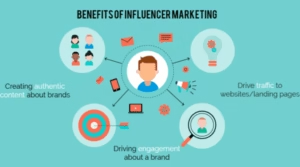
Influencer partnerships can deliver exceptional results when done strategically. Some of the major benefits include:
- Increased Brand Awareness: By leveraging an influencer’s reach, your brand gains exposure to a broader audience that may not have discovered you otherwise.
- Stronger Brand Credibility: When a trusted influencer endorses your product, it instantly enhances your brand reputation and credibility.
- Improved Customer Trust: Audiences value peer-like recommendations, making influencer content more persuasive than traditional ads.
- Higher Conversion Rates: Followers are more likely to act on influencer recommendations, leading to more sales and sign-ups.
- Enhanced Content Quality: Influencers are skilled creators who produce high-quality visuals, videos, and stories that align with current trends.
- SEO and Social Boost: Influencers often share links or mentions that help increase your website’s search visibility and drive traffic.
Common Mistakes to Avoid in Influencer Collaboration
Even the best campaigns can fail if brands overlook key details. Here are some common pitfalls to avoid:
- Choosing Influencers Based Solely on Follower Count – Bigger isn’t always better. Micro and nano influencers often have stronger engagement and more loyal communities.
- Ignoring Authenticity – Forcing influencers to deliver scripted or unnatural messages can hurt credibility.
- Lack of Clear Communication – Failing to outline goals, deliverables, and timelines can lead to misunderstandings.
- Not Tracking Results – Without data analysis, you can’t determine whether the collaboration worked.
- One-Time Collaborations Only – Long-term partnerships build deeper trust and stronger ROI compared to one-off promotions.
Measuring the Effectiveness of Your Influencer Marketing Campaign
To ensure your influencer collaboration is delivering results, track metrics that align with your campaign goals. Some important KPIs include:
Measuring the success of an influencer collaboration requires tracking a variety of performance metrics that reflect both reach and impact. The engagement rate — including likes, comments, shares, and saves — is one of the most important indicators of how well the content resonates with the audience. Similarly, monitoring reach and impressions helps you understand how many people saw the influencer’s posts and how effectively your brand message spread.
Beyond engagement, it’s essential to track website traffic and referral sources to see how many visitors were driven directly from the influencer’s content. Metrics like conversion rate, which measures actions such as sales, sign-ups, or downloads, reveal how successfully the campaign encouraged audience behavior. Additionally, follower growth on your brand’s social accounts indicates increased interest and visibility. Finally, calculating ROI (Return on Investment) allows you to assess the overall profitability and value generated from your influencer partnerships. Together, these insights provide a clear picture of your campaign’s performance and help refine future strategies.
You can use tools like Google Analytics, Hootsuite, Sprout Social, or influencer marketing platforms such as Upfluence or CreatorIQ to measure performance and gather insights.
Future Trends in Influencer Collaboration
As digital marketing continues to evolve, influencer collaboration is also transforming. Some key trends shaping the future include:
- Rise of Micro and Nano Influencers: Brands are increasingly favoring smaller influencers who offer higher engagement and niche audiences.
- Video-First Content: Short-form video on platforms like TikTok, Instagram Reels, and YouTube Shorts is driving engagement.
- AI and Data-Driven Campaigns: AI tools help brands find the right influencers and predict campaign outcomes.
- Long-Term Partnerships: Instead of one-off posts, brands are building ongoing relationships for stronger brand consistency.
- Social Commerce Integration: Influencers are now directly driving sales through shoppable posts and affiliate links.
Conclusion
Influencer collaboration is no longer just a marketing trend — it’s a powerful strategy that connects brands with audiences in meaningful ways. By partnering with the right influencers, you can humanize your brand, expand your reach, and drive measurable results.
The key to success lies in authenticity, alignment, and consistency. Choose influencers who genuinely believe in your product, give them creative freedom, and measure performance carefully. Whether you’re a startup or an established brand, influencer collaboration can elevate your marketing to new heights — turning followers into loyal customers and content into lasting brand value.
Focus Keyword: Influencer Collaboration
Supporting Keywords: influencer marketing strategy, brand partnerships, social media influencers, influencer campaigns, digital marketing collaboration, influencer engagement, influencer marketing trends
Author: Shafi